Facet Joint Syndrome: Overview and Home Treatment Options
Facet joint syndrome is a common cause of back pain, particularly in the lower back and neck. The facet joints, small joints located between each pair of vertebrae, play a crucial role in stabilizing the spine and facilitating movement. When these joints become irritated or damaged, they can lead to significant discomfort and pain. This document will provide an overview of facet joint syndrome and explore various home treatment strategies that can help manage and alleviate symptoms.

Contact UsBook Physiotherapy Online - BarrieBook Physiotherapy Online Innisfil
Understanding Facet Joint Syndrome
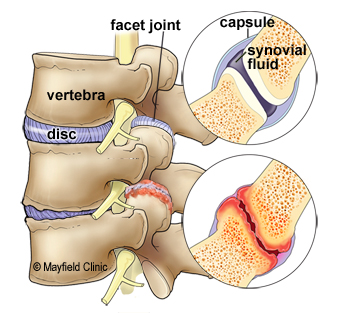
1. Anatomy of Facet Joints:
Facet joints are small, paired synovial joints located between the vertebrae in the spine. Each vertebra has two sets of facet joints – one pair that faces up and another that faces down. These joints allow for controlled movement and contribute to the stability of the spine. They are covered with cartilage and surrounded by a capsule filled with synovial fluid, which helps in lubrication and smooth movement.
2. Causes of Facet Joint Syndrome:
Facet joint syndrome occurs when these joints become inflamed, degenerate, or are otherwise damaged. Common causes include:
- Osteoarthritis: Age-related wear and tear can lead to cartilage loss and bone spurs, causing pain and stiffness.
- Injury or Trauma: Accidents or falls can damage the facet joints, leading to inflammation and pain.
- Repetitive Stress: Activities or occupations that involve repetitive movements or heavy lifting can strain the facet joints.
- Postural Issues: Poor posture or alignment can place excessive stress on the facet joints, leading to discomfort.
3. Symptoms:
Symptoms of facet joint syndrome typically include:
- Localized Pain: Pain often occurs in the lower back or neck and may be felt on one or both sides.
- Pain with Movement: Activities such as bending, twisting, or prolonged sitting may exacerbate the pain.
- Stiffness: Affected individuals may experience stiffness and reduced range of motion.
- Referred Pain: Pain may radiate to the buttocks or thighs in the lower back region or to the shoulders and arms in the neck region.
Home Treatment Options
Managing facet joint syndrome at home involves a combination of self-care strategies designed to reduce pain, improve mobility, and support overall spinal health. Here are several effective home treatment methods:
1. Rest and Activity Modification:
- Rest: Short-term rest is crucial for allowing inflamed joints to recover. However, prolonged bed rest is not recommended as it can lead to muscle weakness and stiffness.
- Activity Modification: Avoid activities that exacerbate pain, such as heavy lifting or repetitive bending. Instead, engage in low-impact activities that do not strain the facet joints.
2. Heat and Cold Therapy:
- Heat Therapy: Applying a warm compress or heating pad to the affected area can help relax tense muscles, improve circulation, and reduce pain. Heat therapy is most beneficial for chronic pain or stiffness.
- Cold Therapy: Ice packs or cold compresses can help reduce inflammation and numb the area, providing relief from acute pain or swelling. Apply cold therapy for 15-20 minutes several times a day as needed.
3. Exercise and Stretching:
- Gentle Stretching: Incorporating gentle stretches into your daily routine can help maintain flexibility and reduce muscle tension around the facet joints. Focus on stretches that target the lower back and neck.
- Strengthening Exercises: Core strengthening exercises can provide better support for the spine and reduce stress on the facet joints. Exercises such as pelvic tilts, bridges, and abdominal crunches can be beneficial.
- Low-Impact Activities: Activities like walking, swimming, or using a stationary bike can help maintain overall fitness without putting excessive strain on the facet joints.
4. Posture and Ergonomics:
- Proper Posture: Maintaining good posture can help prevent further strain on the facet joints. Sit and stand with your back straight, shoulders relaxed, and head aligned with your spine.
- Ergonomic Adjustments: Ensure that your workstation is ergonomically designed to support good posture. Use chairs with proper lumbar support and adjust your desk and computer screen to maintain a neutral spine position.
5. Weight Management:
- Healthy Diet: A balanced diet rich in anti-inflammatory foods can support overall joint health. Include plenty of fruits, vegetables, whole grains, and lean proteins in your diet.
- Weight Loss: Maintaining a healthy weight can reduce the stress placed on the facet joints. If overweight, consider working with a healthcare provider or nutritionist to develop a weight loss plan.
6. Over-the-Counter Medications:
- Nonsteroidal Anti-Inflammatory Drugs (NSAIDs): Over-the-counter NSAIDs such as ibuprofen or naproxen can help reduce pain and inflammation. Follow the dosage instructions on the label and consult with a healthcare provider if you have any underlying health conditions.
7. Alternative Therapies:
- Massage Therapy: Gentle massage can help relieve muscle tension, improve circulation, and provide pain relief. Consider seeing a licensed massage therapist who specializes in treating back pain.
- Chiropractic: Chiropractors are trained in spinal manipulation and treating the muscle fibres that surround the spinal column. Chiropractors may provide relief for some individuals with facet joint syndrome.
8. Mind-Body Techniques:
- Relaxation Techniques: Practices such as deep breathing, meditation, and progressive muscle relaxation can help manage stress and reduce the perception of pain.
- Mindfulness: Mindfulness-based approaches can help you become more aware of your body and pain, leading to better pain management and coping strategies.
When to Seek Professional Help
While home treatments can be effective for managing facet joint syndrome, it's important to seek professional medical advice if:
- Pain Persists or Worsens: If symptoms do not improve with home treatments or worsen over time, consult a healthcare provider for a comprehensive evaluation.
- Severe Symptoms: If you experience severe pain, numbness, tingling, or weakness in the limbs, seek medical attention promptly as these may be signs of a more serious condition.
- Difficulty with Daily Activities: If facet joint pain interferes significantly with daily activities or quality of life, professional intervention may be necessary to develop a more tailored treatment plan.
Conclusion
Facet joint syndrome can be a challenging condition, but many people find relief through a combination of home treatment strategies. By incorporating rest, heat and cold therapy, gentle exercise, proper posture, and weight management into your routine, you can effectively manage symptoms and improve your quality of life. Remember that persistent or severe symptoms warrant professional medical evaluation to ensure appropriate diagnosis and treatment.