
How To Recover From An ACL Tear
An ACL tear is an injury affecting the anterior cruciate ligament in the knee. This type of injury is common, particularly among athletes, and can occur due to high-impact movements or sudden changes in direction. If you experience knee pain following an injury, consult a healthcare provider.
What is the ACL?
The anterior cruciate ligament (ACL) is a key stabilizing ligament in your knee, connecting the thigh bone (femur) to the shin bone (tibia). It works alongside the posterior cruciate ligament (PCL) to form an "X" shape inside your knee, with the ACL positioned toward the front and the PCL toward the back. Any force that causes excessive bending or twisting beyond the knee’s natural limit can result in an ACL tear.
Physiotherapy for ACL Tear
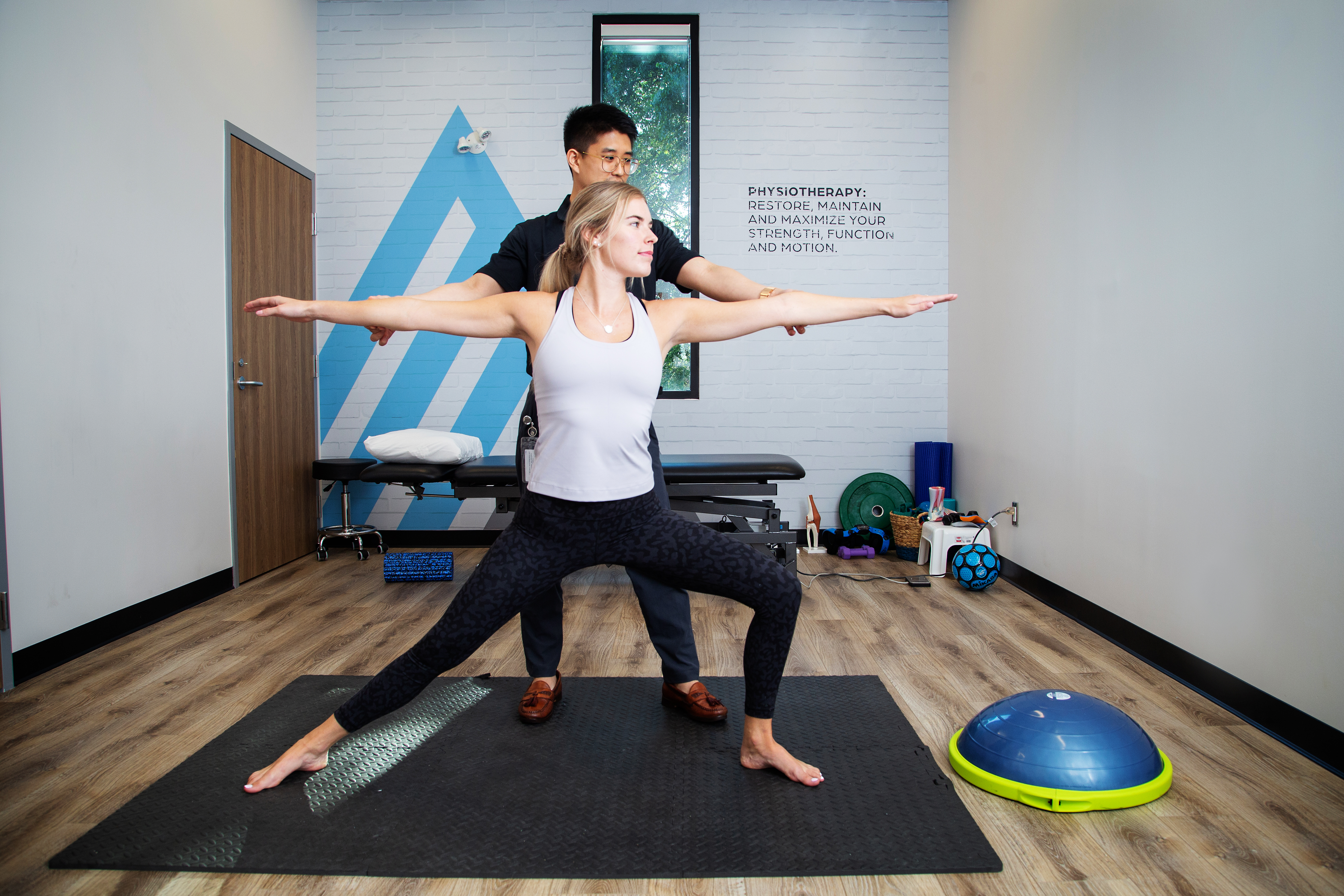
Physiotherapy plays a crucial role in treating ACL tears by reducing pain, restoring strength, and improving mobility. A physiotherapist designs a personalized rehabilitation program that includes strengthening exercises, balance training, and range-of-motion activities. Early treatment focuses on reducing swelling and regaining movement, while later stages emphasize rebuilding knee stability and preventing future injuries. Whether recovering from surgery or managing a partial tear non-surgically, physiotherapy helps patients safely return to daily activities and sports.
View Our Full Treatment Protocol For ACL>
Types of ACL Injuries
Healthcare professionals categorize ACL injuries into three grades based on severity:
- Grade 1: The ACL is stretched but remains intact and functional.
- Grade 2: The ACL is partially torn and loosened.
- Grade 3: The ACL is completely torn into two pieces.
Symptoms of an ACL Tear
Common symptoms include:
- A popping sound or sensation in the knee at the time of injury.
- Knee instability, weakness, or giving out.
- Swelling and pain, especially when bearing weight.
- Reduced range of motion.
Causes and Risk Factors
ACL tears occur when the knee is subjected to excessive force, often due to:
- Sports-related injuries.
- Car accidents.
- Falls.
Athletes in sports requiring sudden stops, pivots, or jumps—such as soccer, football, basketball, gymnastics, and lacrosse—face a higher risk of ACL tears.
Potential Complications
ACL injuries may coincide with other knee injuries, including:
- Damage to other knee ligaments (MCL, LCL, PCL).
- Meniscus tears.
- Bone fractures.
- Muscle strains.
Diagnosis of an ACL Tear
A healthcare provider will assess your knee through a physical examination and imaging tests such as:
- X-rays.
- Computed tomography (CT) scans.
- Magnetic resonance imaging (MRI).
These tests help determine the severity of the injury and any accompanying damage.
Treatment Options
Treatment depends on the grade of the tear and any additional knee damage. Initial care follows the RICE method:
- Rest: Avoid activities that stress the knee.
- Ice: Apply cold packs for 15 minutes at a time.
- Compression: Use an elastic bandage to reduce swelling.
- Elevation: Keep the knee elevated above heart level.
Other treatments may include:
- Crutches for mobility support.
- Knee braces for stabilization.
- Over-the-counter pain relief (NSAIDs or acetaminophen).
- Physical therapy for strength and flexibility.
Can an ACL Tear Heal on Its Own?
A torn ACL does not heal on its own. Some people with low-grade tears can adapt, but athletes or active individuals often require surgery and physiotherapy to restore full function.
Surgical Repair
ACL reconstruction surgery is typically an outpatient procedure performed using arthroscopy. The procedure repairs or replaces the torn ligament, enabling a return to physical activity following rehabilitation.
Prevention Strategies
While ACL tears cannot always be prevented, the following steps can help reduce risk:
- Wear proper protective equipment during sports.
- Avoid playing through knee pain.
- Warm up, stretch, and strengthen knee-supporting muscles.
- Use correct techniques to avoid knee stress.
- Keep your environment free of tripping hazards.
Recovery and Prognosis
Recovering from an ACL tear typically takes six to nine months, with competitive athletes sometimes requiring more time before returning to their sport. Full rehabilitation is crucial to prevent re-injury.
Living With an ACL Tear
Some individuals can walk with an ACL tear, but avoiding stress on the injured knee is essential. Seek medical attention if pain worsens or new symptoms arise.
When to See a Doctor
Consult a healthcare provider if you experience knee pain, instability, or swelling following an injury. Seek emergency care after a major trauma, such as a car accident or severe fall.
Common Questions
- Can an ACL tear happen again?
- Yes, but recurrence rates are low (under 10%). Proper rehabilitation reduces re-injury risk.
- Is an ACL tear career-ending for athletes?
- Most athletes recover and return to their sport after surgery and rehabilitation. Patience and following medical advice are key to a successful recovery.
Discuss your treatment options and recovery timeline with your provider to ensure the best outcome