Pain in the knee region doesn't have to keep you from doing something. Patellofemoral pain syndrome is a prevalent problem, but with the right information and treatment choices, you can bid farewell to this kind of pain. We'll go over what Patellofemoral Pain Syndrome entails, its causes, and our recommended treatments in this blog post.
Treatment options typically involve a combination of non-pharmacological interventions, such as physiotherapy and bracing. Also, pharmacological interventions, such as pain relievers or anti-inflammatory medications, often come in handy. Sometimes, injections or surgery may be recommended.
At MyoDynamic Health, we prioritize non-invasive and conservative approaches to treating patellofemoral pain syndrome. Our recommended treatment plan for PFPS typically involves physiotherapy and bracing, which can help to improve muscle strength, flexibility, and joint stability, reduce pain and inflammation, and prevent further injury.
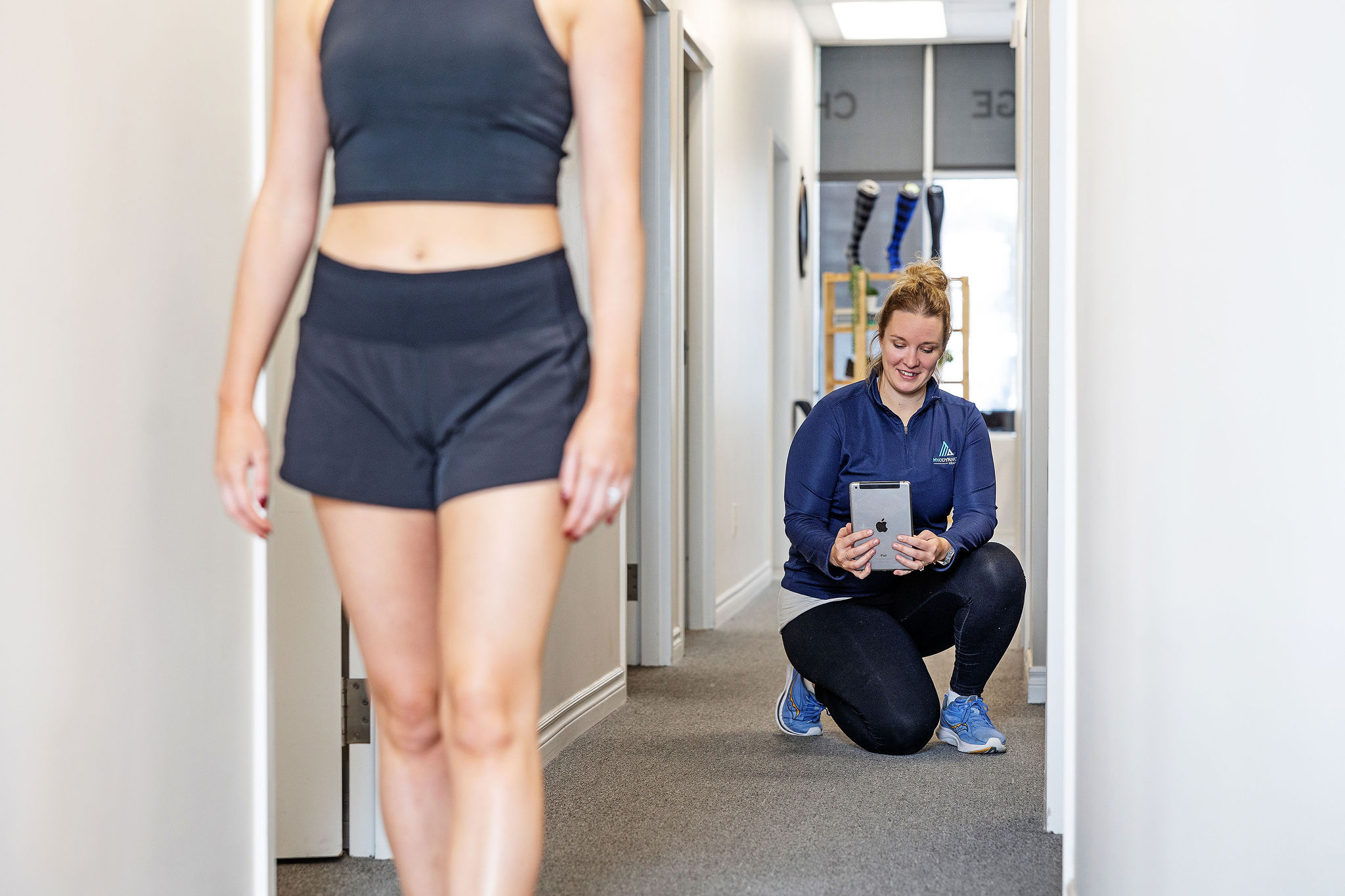
We also recommend booking a gait analysis for custom orthotics, that will assist in internal rotation that may be causing prolonged patellofemoral pain when running/walking.
Physiotherapy
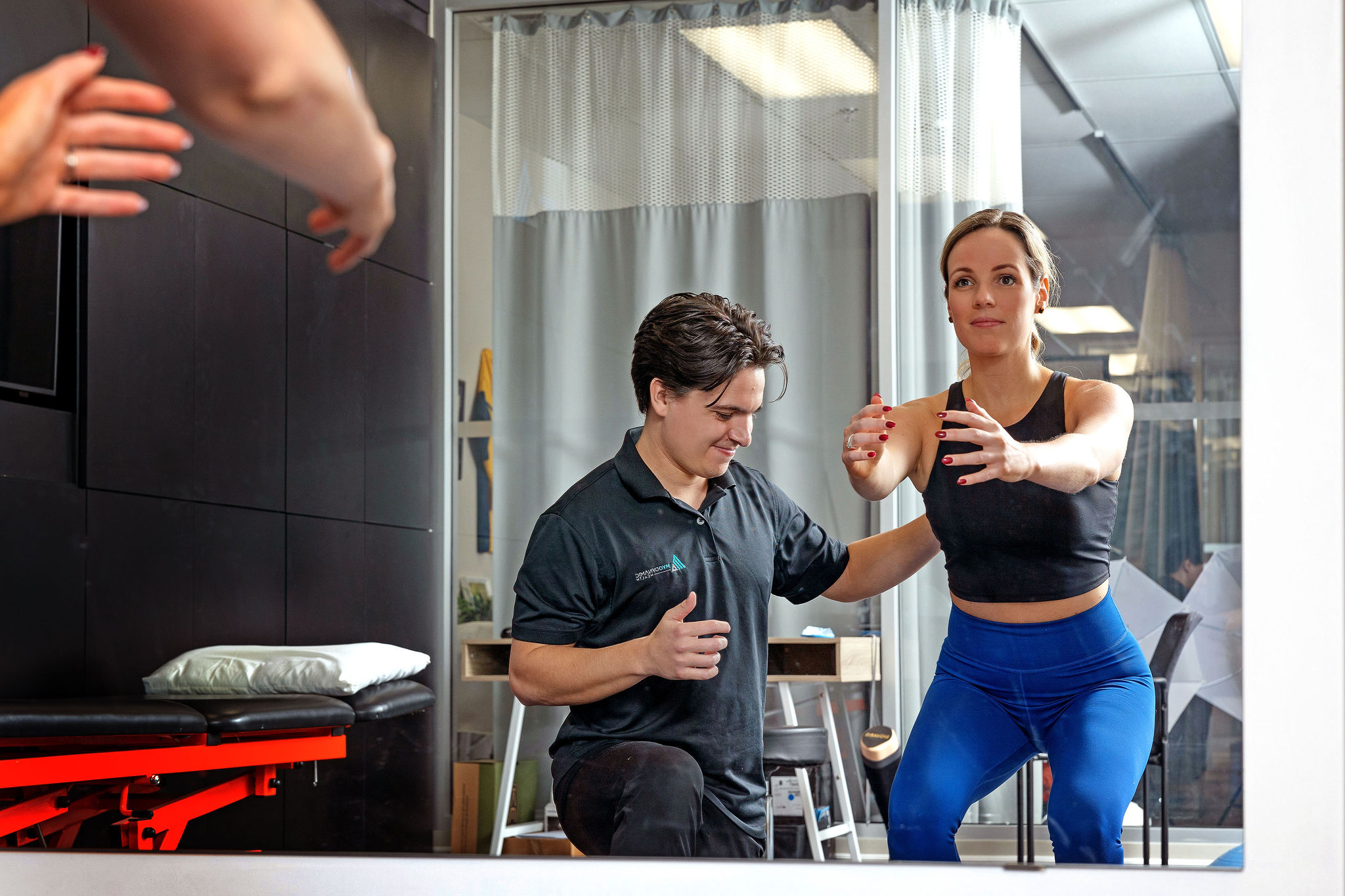
Our experienced physiotherapist will assess your condition and design a customized knee pain treatment program based on your needs. A standard physio program will probably include the following:
Exercise therapy (ET): we will take you through stability exercises for the quadriceps, hamstrings, and hip muscles. They aim to improve joint stability and reduce your patellofemoral pain. Our ET program will also include activities to improve balance, proprioception, strength, and endurance.
Manual therapy: Soft tissue massage, mobilization, and other manual therapy techniques can help to reduce pain and inflammation, improve joint mobility, and address any muscle imbalances or restrictions.
Range of motion (ROM) exercises: Range of motion activities aim to improve mobility, flexibility, and overall function of your knee joint. ROM may include techniques such as stretching and joint mobilization.
Education: Learning about appropriate body mechanics and alignment during day-to-day activities and workouts can help decrease knee joint strain and avoid additional injuries.
Bracing
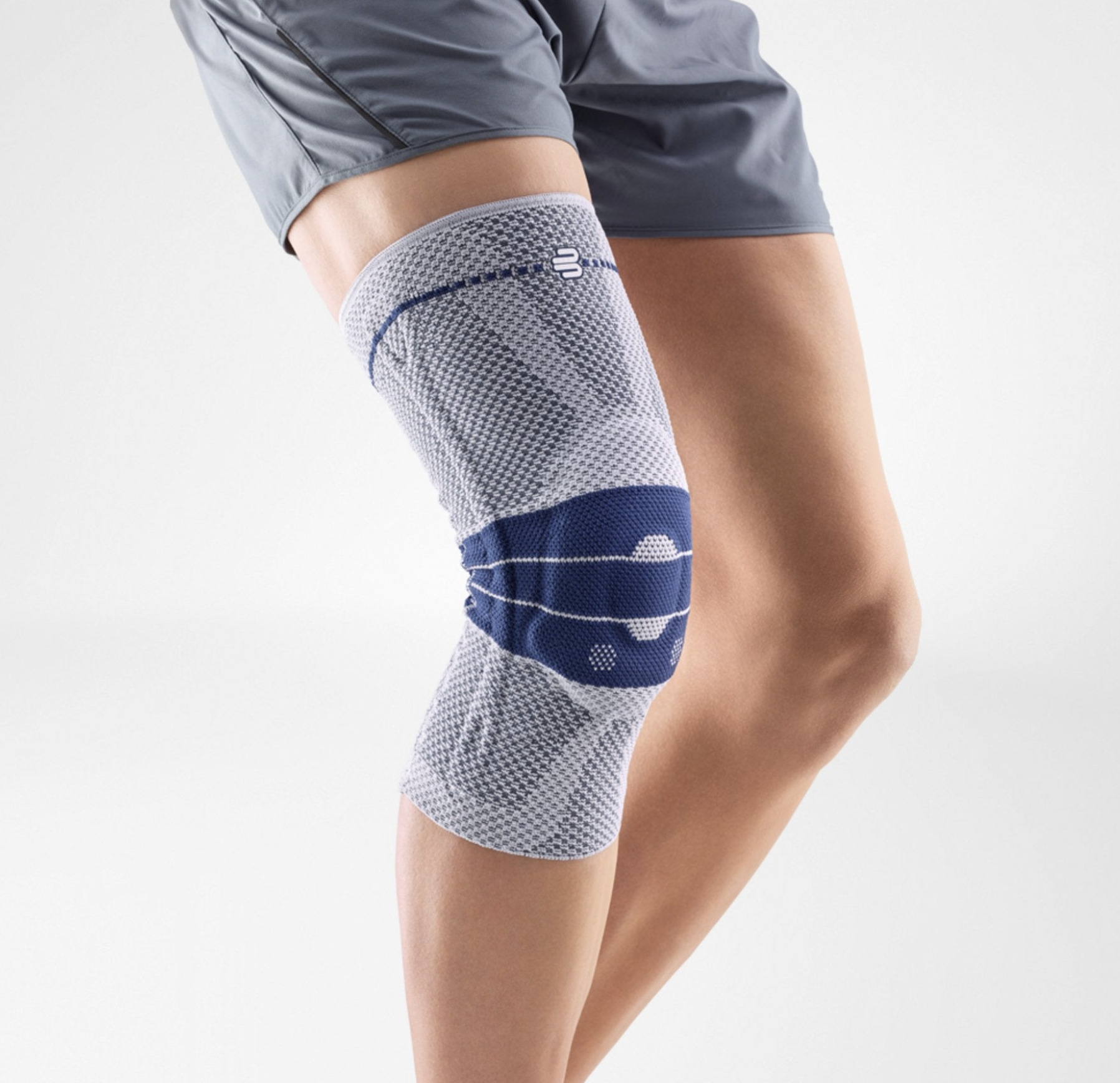
Genutrain $174.99
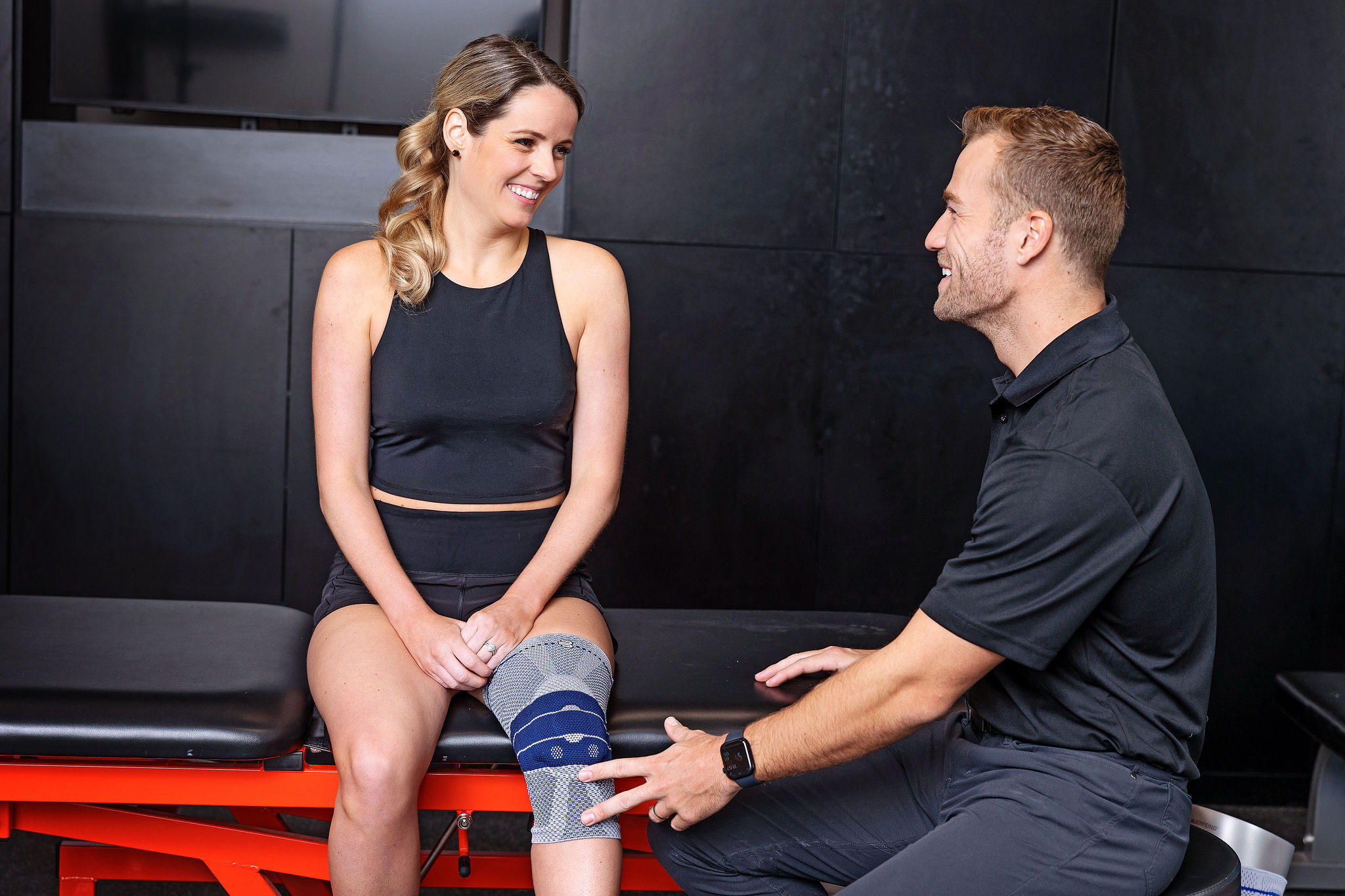
If you need to support your patella and prevent mal tracking, our first recommendation would be the Genutrain knee brace. Maltracking, also known as patellar tracking disorder, occurs when the patella (kneecap) does not move properly in the groove of the femur (thighbone) as the knee joint bends and straightens. Maltracking can cause the patella to shift or tilt abnormally, leading to knee pain and discomfort.
The Genutrain brace is a custom-fitted knee brace designed to offer targeted compression and support to the knee joint, promoting proper alignment and stability.
Custom Orthotics
Full length posting - may be necessary if you are walking in an abducted 'duck' stance position or coming off the inside of the greater toe, causing torsion affects up the leg - to the knee.
This will also indirectly correct the alignment of the knee in hopes to prevent a mal-tracking patella.
Heel padding - to reduce the effect of impact forces at the heel bone and up the leg.
Customized arch support - dissipates pressure throughout the foot and knee.
Neutral casting - to align your feet and lower limbs in order to place them in the most optimal position for gait.
Treatment Plan for Patellofemoral Pain Syndrome:
The following is an example of an 8-week treatment plan for PFPS at MyoDynamic Health:
Weeks 1-2:
The first step in relieving pain is getting to the bottom of what's causing it and pinpointing any underlying muscular imbalances or deficiencies
Coaching in correct body mechanics and posture for use in everyday movements and physical training
Effective pain relief with manual therapy and soft tissue massage
Range of motion (ROM) exercises to help improve mobility in the knee joint
Quadriceps, hamstring, and hip strengthening activities to enhance general health and performance
Improved knee support and stability with the introduction of the Genutrain knee brace
Weeks 2-4:
Continue with exercises that improve flexibility and strength, gradually increasing intensity as able
A particular focus on increasing joint stability and decreasing the likelihood of subsequent damage with the integration of balance and proprioceptive training
Manual therapy to help relieve any remaining muscle imbalances or tightness
Weeks 4-6:
Continued emphasis on exercises for stability and strength, with escalating resistance as tolerated
Activities that increase power and endurance in the muscles of the lower extremities
introducing drills and exercises that are specific to a certain sport for people who take part in sports activities
Weeks 6-8:
Continuing with advancing your strengthening exercises and incorporating functional training into your regimen
Continued use of the Genutrain brace as necessary
A gradual return to your full activities while closely monitoring any symptoms and making necessary modifications as per the unique needs of the patient
It's critical to remember that depending on the severity and underlying cause of each patient's problem, their PFPS treatment approach may vary. Adherence to recommended exercises and treatments is crucial for achieving successful treatment outcomes. At MyoDynamic Health, we work closely with patients to ensure they receive evidence-based and efficient care that meets their needs. Schedule your consultation now!
What is Patellofemoral Pain?
A runner's or jumper's knee are other names for patellofemoral pain syndrome (PFPS). It is a medical condition that causes pain in or beneath the patella (the kneecap) region. In reality, PFPS is an all-encompassing term to describe discomfort originating from the patellofemoral joint or nearby soft tissues. It is not age-specific, but the likelihood of developing patellofemoral pain syndrome tends to rise with ageing. It can affect one or both knees. PFPS pain typically worsens with activity or after spending much time sitting with the knees bent. Being active, such as running, squatting, sitting, or climbing stairs, can worsen PFPS. Previously, the term "anterior knee pain" was commonly used to characterize this condition. However, this label can be inaccurate, as the discomfort may manifest in various knee regions, including the popliteal fossa. The symptoms may gradually develop or arise suddenly. Regrettably, PFPS has a tendency to recur within two years in 40% of instances.
What Causes Patellofemoral Pain?
The exact cause of patellofemoral pain syndrome remains unclear. However, several factors may contribute to its development. Overuse of the knee is one of the leading causes of patellofemoral pain. It is often observed in participants of running or jumping sports that put repeated stress on the knee joint, leading to irritation under the kneecap.
Muscle imbalances or weaknesses can also cause this type of pain. It is usually because the muscles surrounding the hip and knee may not keep the kneecap in line, leading to pain. For example, it is common for someone with PFPS to grapple with excruciating pain in the area around or under the kneecap when they move the knee inward during a squat.
Injury is another factor that can cause pain in the area around or under the kneecap. For example, trauma and excessive pressure on the kneecap (such as when the kneecap gets out of place or breaks) sometimes cause this pain.
Internal Rotation if you're flat-footed or your arches roll in (pronate) you may be more susceptible to patellofemoral pain syndrome. With internal rotation at the foot/ankle, this can translate up the kinetic chain into the knee causing more internal rotation at the patella and instability within the patella. If you believe this is happening we recommend custom orthotics to correct your stance.
Last, the risk of patellofemoral pain may increase after knee surgery, particularly if the patient's patellar tendon is used as a graft during anterior cruciate ligament repair.
Risk Factors for Patellofemoral Pain
Factors that may raise your chances of developing patellofemoral pain syndrome consist of the following:
Age: Pain in the area around or under the kneecap (patella) can affect adolescents and young adults occasionally. However, this type of pain tends to be more common among older individuals, especially those with arthritis.
Certain types of physical activities: Sporting activities that involve excessive running and jumping can increase the pressure on the knees, especially with intensified training.
Gender: An average woman is twice as likely as a man to experience patellofemoral pain. Experts believe this is likely because of their wider pelvises, which create a higher angle at the intersection of the bones in the knee joint.
Symptoms of Patellofemoral Pain
Besides persistent, throbbing discomfort in the anterior part of the knee, other symptoms of patellofemoral syndrome may include:
Pain while bending the knee, like when going up or down stairs, jumping, or doing squats.
Aching after sitting for a long time with the knee bent, such as during a movie at a theatre.
Pain while engaging in physical activities.
Cracking or popping sounds in the knee when going up or down stairs or after sitting for an extended period.
It is important to note that the locking of the knee joint is not a common feature of patellofemoral syndrome. If you are experiencing this symptom, it typically signifies a different type of injury, such as a tear in the meniscus.