Treatment for IT Band Syndrome
IT Band Syndrome is a common condition primarily affecting runners and athletes. The condition causes excruciating pain and discomfort in the knee and outer thigh. At MyoDynamic Health, we offer various services to help ease pain and provide effective treatments for IT Band Syndrome.
In this article, we'll discuss the various causes and symptoms of IT Band Syndrome and how our services can help you find relief.

Our Recommended Treatment: Physiotherapy and Orthotics
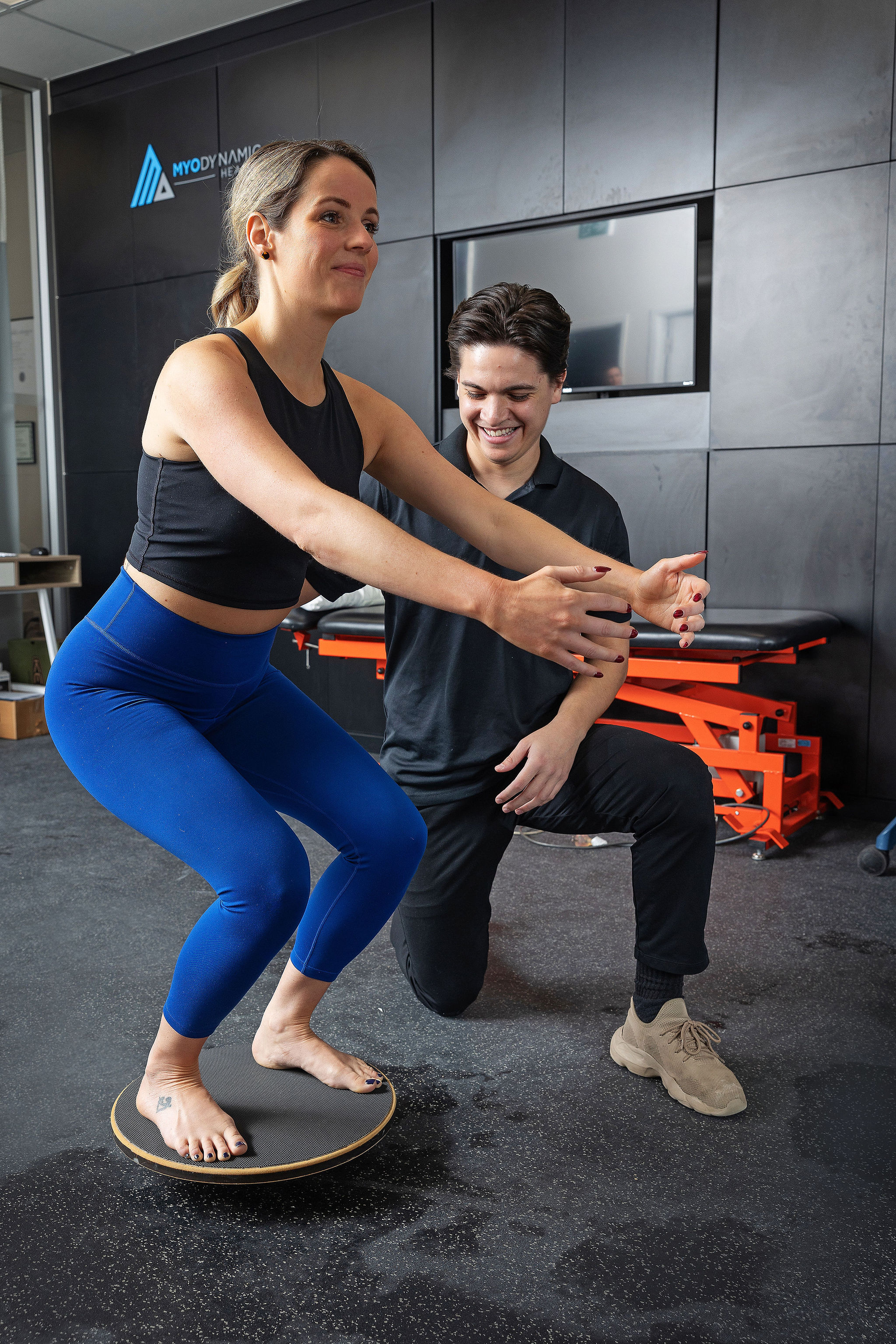
We at MyoDynamic Health understand how inconvenient and uncomfortable IT band syndrome can be. The primary treatment for your condition we highly recommend is physiotherapy. This can involve various techniques, including exercises to improve stability and strength, manual therapy, and range of motion exercises.
Physical therapy seeks to alleviate symptoms such as soreness and swelling, enhance mobility and strength, and forestall further harm. Stability exercises are a crucial part of physical treatment for IT Band Syndrome.
By strengthening the knee and hip, you can reduce strain on your iliotibial band and avoid potential injuries. Stability exercises include different but related activities like lateral band walks, step-ups, and single-leg balancing exercises. Manual therapy techniques such as massage and myofascial release can also effectively reduce pain and inflammation in the affected area. Regular range of motion exercises can achieve increased flexibility and the avoidance of muscle imbalances that can lead to IT Band Syndrome.
Inclusive of physiotherapy, our treatment plans for IT band syndrome also include orthotics to reduce rotational stress and abnormal biomechanics on the IT band. At MyoDynamic Health, we provide custom orthotic solutions that can help correct any rotational movement and ease pressure on the IT Band.
A Typical 8-Week Treatment Plan for IT Band Syndrome
Week 1-2: Rest and Ice
During the first two weeks of treatment, it is essential to rest the affected knee and apply ice to reduce inflammation and pain.
Week 2-4: Introduction to Physiotherapy
In weeks two to four, we will introduce physiotherapy exercises and stretches. These exercises aim to ease pain and weakness in the affected area and strengthen the muscles around the knee joint.
Week 4-6: Increase in Physiotherapy Exercises and Manual Therapy
Between the fourth and sixth weeks, we will increase the intensity of physiotherapy exercises and incorporate manual therapy techniques to reduce pain and inflammation further.
Week 6-8: Introduction to Orthotics and Stability Exercises
In the final two weeks of treatment, we will introduce orthotics and stability exercises to help correct any alignment issues and prevent future IT Band Syndrome episodes.
What is IT band syndrome?
Iliotibial band syndrome is a painful condition caused by the iliotibial band becoming too tight. This tightening causes the IT band to compress against the bone during running. IT bands are thick, fibrous fascia made of tough materials (visualize the composition and function of a car's safety belt) that run from the top of the pelvis, over the side of the hip, and down the lateral side of your thighs. It attaches to the outside of the knee and kneecap. While traditional thinking suggested excessive friction was to blame for IT band syndrome, recent studies have revealed compression as the primary cause. This compression causes inflammation and discomfort in the IT band, the bursae, and the fat pad positioned between the IT band and the bone.
Research has also revealed a curious finding that the bursae and fat pad between the IT band and the bone are more likely to sustain injury and show indications of harm in the affected region rather than the IT band itself.
Types Of Iliotibial Band Syndrome
Iliotibial band syndrome is a condition that can occur either unilaterally or bilaterally, depending on whether it affects only one leg or both. Unilateral ITBS occurs when the IT band tightens and presses on the bone on just one side of the body, causing localized pain and discomfort in just one leg.
The opposite is true with bilateral iliotibial band syndrome, which affects both legs and typically results in more severe symptoms that impede movement and everyday functioning. A timely and precise diagnosis and adequate therapy is crucial to successfully managing symptoms and avoiding future injury, regardless of the kind of ITBS.
Who Does ITBS Mostly Affect?

If you are a type that engages in frequent physical activity, especially at a young age, then you are more susceptible to developing iliotibial band syndrome. Generally, however, athletes taking part in particular sports are particularly prone to ITBS, including but not limited to:
- Runners,
- Gymnasts,
- Basketball players,
- Hockey players,
- Rugby Players,
- Cyclists,
- Skiers,
- Soccer/football players,
Indeed, athletes are commonly associated with iliotibial band syndrome. Non-athletes may still be at risk of developing iliotibial band syndrome because of various factors, such as:
- Prolonged sitting
- Walking or running uphill or on a track
- Repetitive motions like running and cycling
- History of tight or injured iliotibial band
- Muscle weakness or inflexibility
- Poor strength in the hip, gluteal, and abdominal muscles
- Weak knee extensors, flexors, and hip abductors
- Inward rotation of the ankle, leg, or foot during movement
- Unequal leg lengths
- Bowleggedness
- Flatfootedness
- Knee joint arthritis
These traits can cause an imbalance in the body and increase stress and strain on the IT band, resulting in pain and discomfort.
Causes of iliotibial band syndrome
The common causes include:
- Overuse: Engaging in repetitive activities, such as running or cycling for extended periods, can cause the IT band to become inflamed
- Muscle imbalances (Mis): Weakness or tightness in the muscles around the knee can lead to improper alignment and movement of the IT band
- Poor biomechanics: Improper form during physical activities can put additional stress on the IT band, leading to inflammation and irritation
- Foot issues: Issues with the feet, such as overpronation, can cause the leg to rotate inward, putting additional strain on the IT band
IT band syndrome signs and symptoms
IT band syndrome symptoms include:
- Running or cycling can worsen knee pain on the outside of the knee because they require a lot of leg movement.
- swelling and sensitivity in the knee region
- an uncomfortable or tightness-like sensation around the hips
- a popping (or clicking) sensation, particularly when moving the knee
Conclusion
Our goal at MyoDynamic Health is to provide a comprehensive treatment program that addresses the root cause of your IT band syndrome and helps prevent it from recurring. We also believe in continuing your journey toward optimal performance. For competitive athletes, we recommend partnering with our skilled physiotherapists, who will create personalized training programs designed to improve your strength and flexibility.